
The World’s First Care Super Intelligence System
Care Intelligence
About Us





All Rights Reserved by Health Connect - 2026


• Care Plans & Smart Notes
• eMAR
• Risk Assessments & Incident Reporting
• Scheduling
• Auditing, Governance
• Policies and Procedures
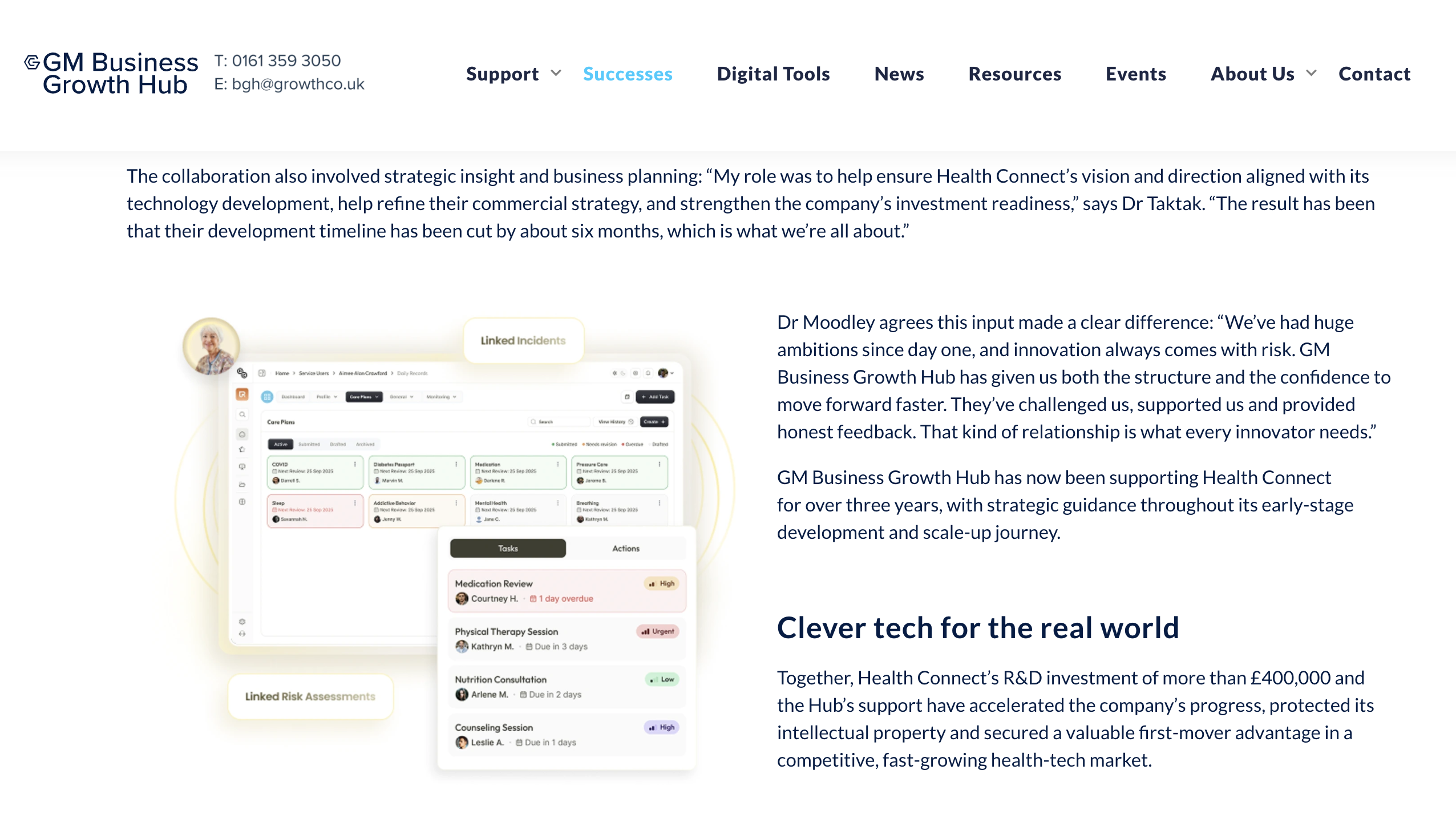
The GM Business Growth Hub, funded by the UK Government, covers 58% of a project to build the decision-support module at the core of Care Intelligence. Its health specialist says the module produces “clear, auditable plans that clinicians can trust”.
That is the seed of the definition: a system that reads across a person’s record and suggests what it means, for a person to review.
Source: GM Business Growth Hub case study.


15 April 2025: the Care Intelligence Revolution podcast begins.
12 June 2025: Dr Devan Moodley launches Care Intelligence at a live event, “Introducing Care Intelligence, Empowering Care Heroes”.
11 July 2025: a second Hub grant, funds the road to an MHRA submission.
1 August 2025: a local authority sets out to test whether the AI can read years of case notes.
24 September 2025: the day after Jess’s Rule is announced, Dr Moodley argues in an LBC opinion piece that a record could flag a second or third contact, “not to replace judgment, but to augment it”.
4 December 2025: the OpenDoc docuseries begins documenting the build in public.
December: 2025 the principle behind Jess’s Rule runs in care records at ABBI Clinic.

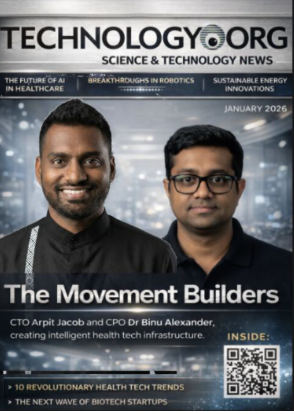
14 January 2026: Technology Org profiles Arpit Jacob and Dr Binu Alexander, who are building the platform.
Health Connect launches the beta version of OpenDoc at the Care Leaders’ Summit in London. OpenDoc is a library of care policies written and reviewed by named experts, with at least three experts signing off each one before it is published.The library supplies what a care record cannot: knowledge of what good care looks like.

International Business Times writes “Can Crowdsourcing AI fix UK Care?”

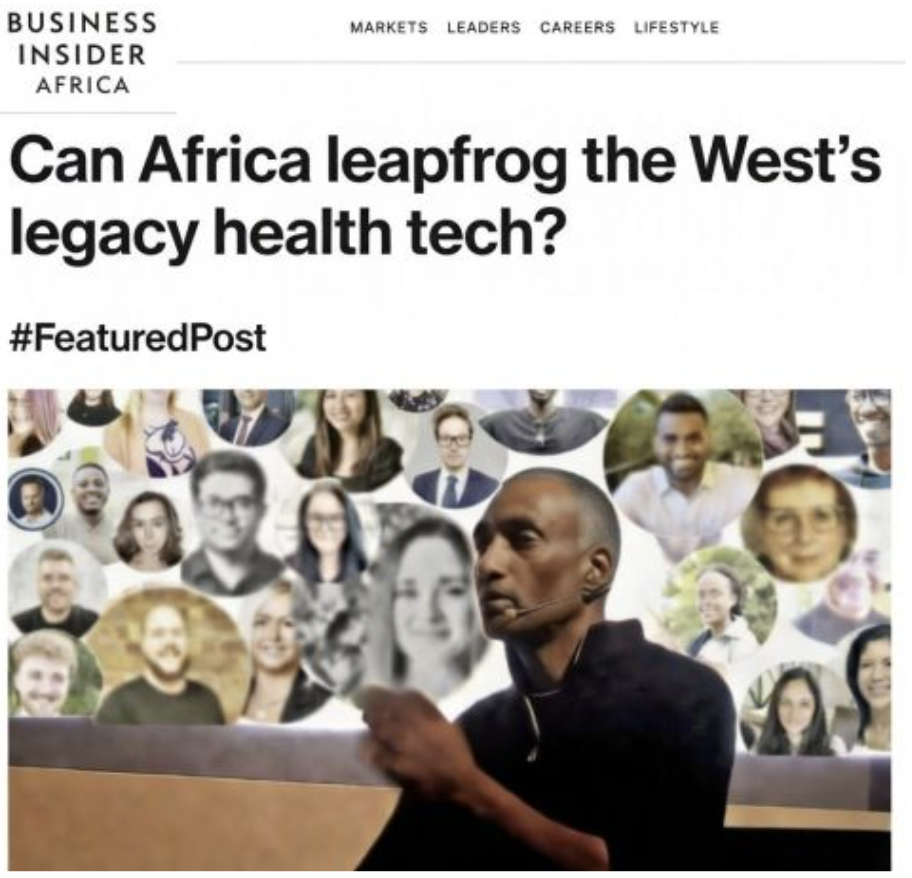
4 March 2026: Business Insider Africa sets OpenDoc against the rest of digital health. Most tools, it says, sit at the application layer, recording notes and scheduling visits, while OpenDoc goes after the rules that govern care itself, with at least three experts signing off every policy.The article describes OpenDoc as part of Health Connect’s Care Intelligence suite deployed in the UK.
TIME Africa presents OpenDoc as the place where people across care work with experts to improve the policies and procedures that define how care is delivered.
It reports that Dr Moodley documented the build on social media as it happened, failures included, before anyone knew whether it would work.
The article also records the caveats: OpenDoc is early and not yet tested at scale, and knowledge shared is not the same as knowledge used.
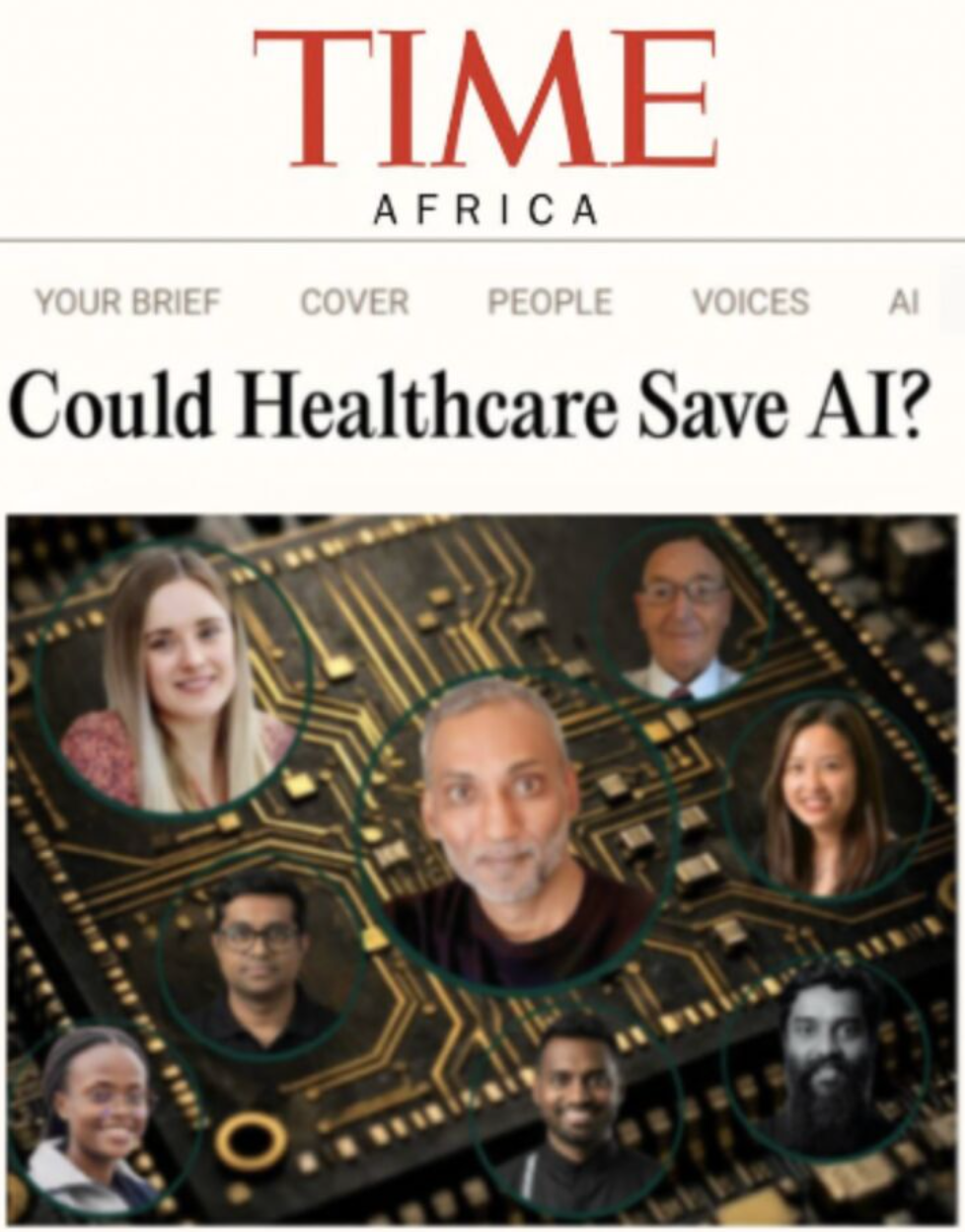
29 June 2026: at a Care Capital Collective event, Dr Moodley presents the concept of care super intelligence.
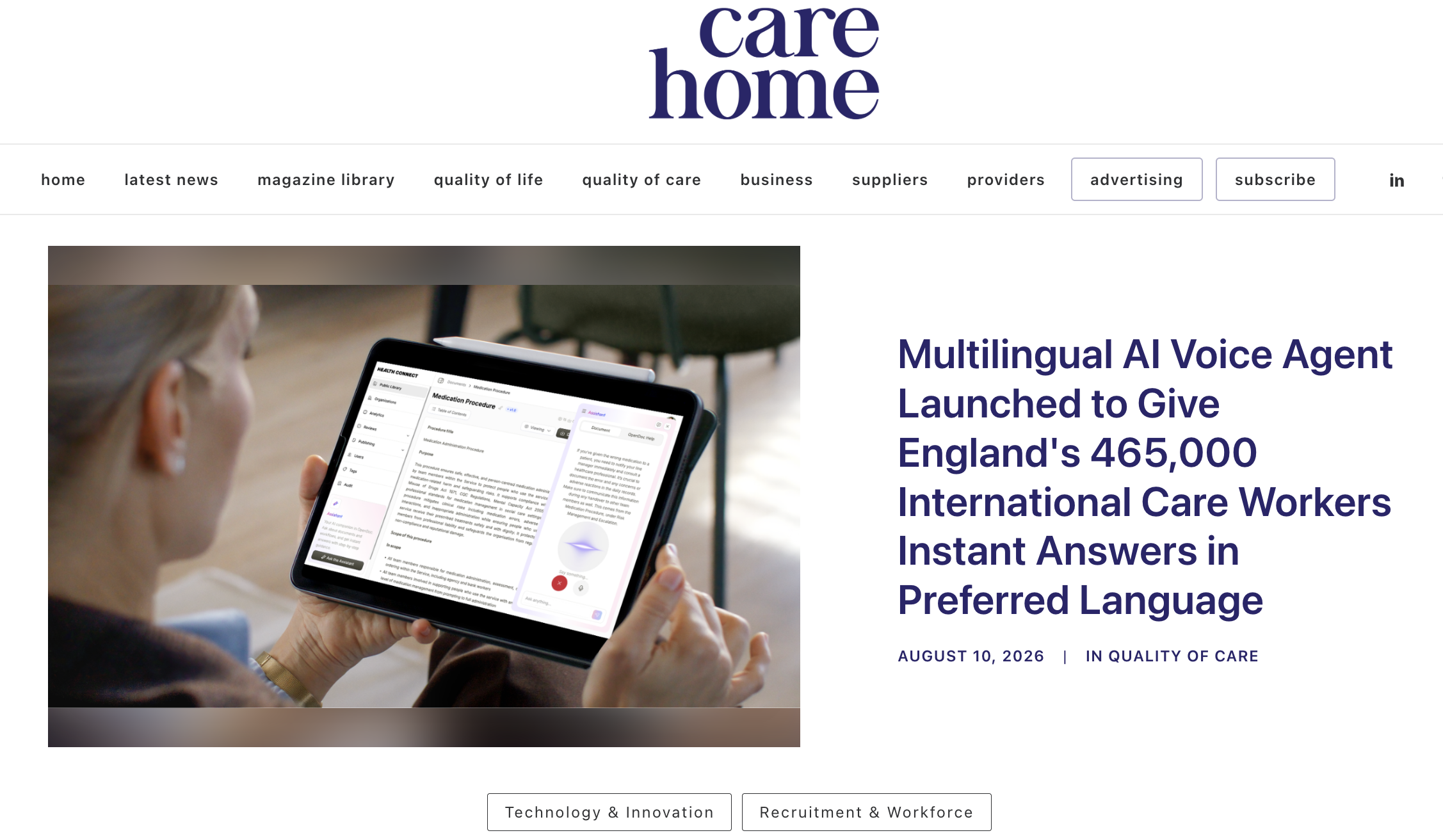
August 2026: OpenDoc learns to answer out loud in the carer’s own language, recognising 40 languages at launch and 51 today.
6 October 2026: Dr Chané Moodley and Dr Devan Moodley post the HACI working paper, the framework behind the definition.
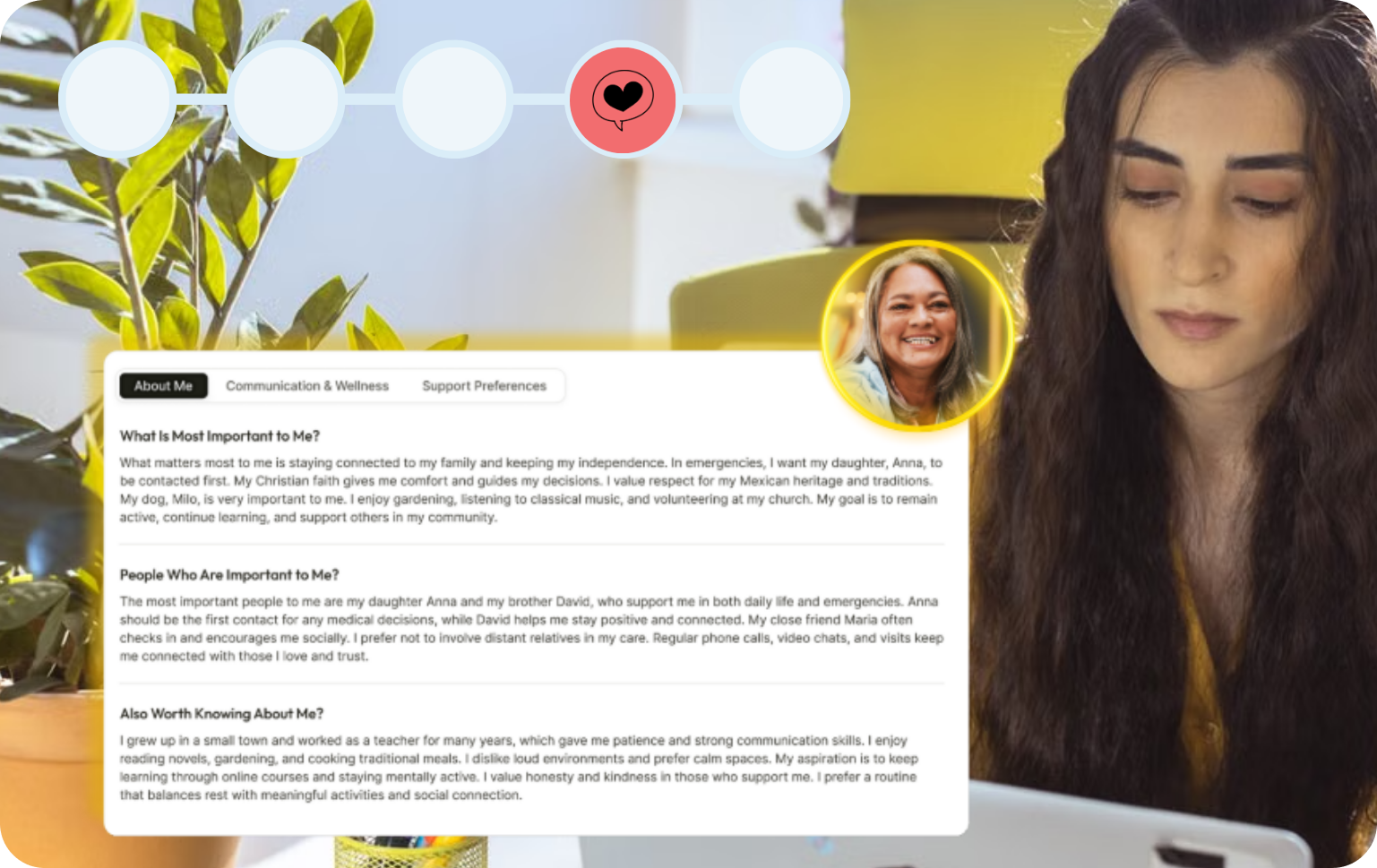
August 2026: a care worker asks a question out loud about their organisation’s policies, in the language they are most confident using, and hears the answer in seconds. Every answer comes from the organisation’s own approved policies.
OpenDoc Voice recognised 40 languages at launch and recognises 51 today. A director at Skills for Care said it makes trusted guidance easier to understand and gives care workers more time with the people they support.
Sources: Caring Times, August 2026; Health Connect, OpenDoc Voice.
6 October 2026: Dr Chané Moodley, Head of Research, and Dr Devan Moodley post a working paper, “Human-Augmented Collective Intelligence” (HACI). It sets out a framework for the design, evaluation and governance of AI in health and social care.
The paper holds that safety and quality come mainly from the structured review and accountability of many people’s expertise, not from the AI alone. Its applications include clinical decision support, collective policy governance and source-traceable summaries of care records.
Source: SSRN, 6 October 2026.
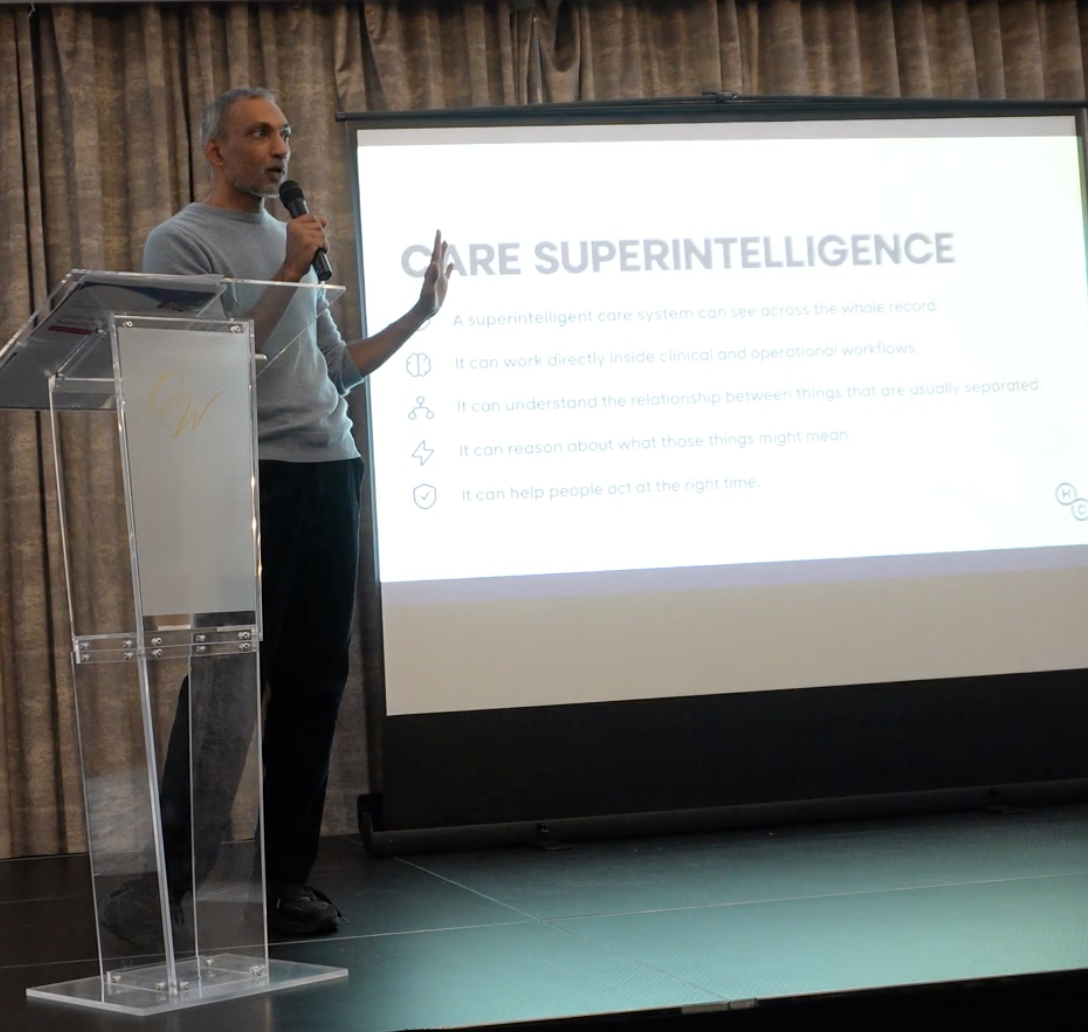
20 October 2026: at the “Designing Care for the Digital Decade”, Dr Devan Moodley sets out five tests. A care super intelligence system can:
See across the whole record.
Work directly inside clinical and operational workflows.
Understand the relationship between things that are usually separated.
Reason about what those things might mean.
Help people act at the right time.
The keynote wrote the term as one word, “superintelligence”. Health Connect now writes it as two.
20 October 2026:
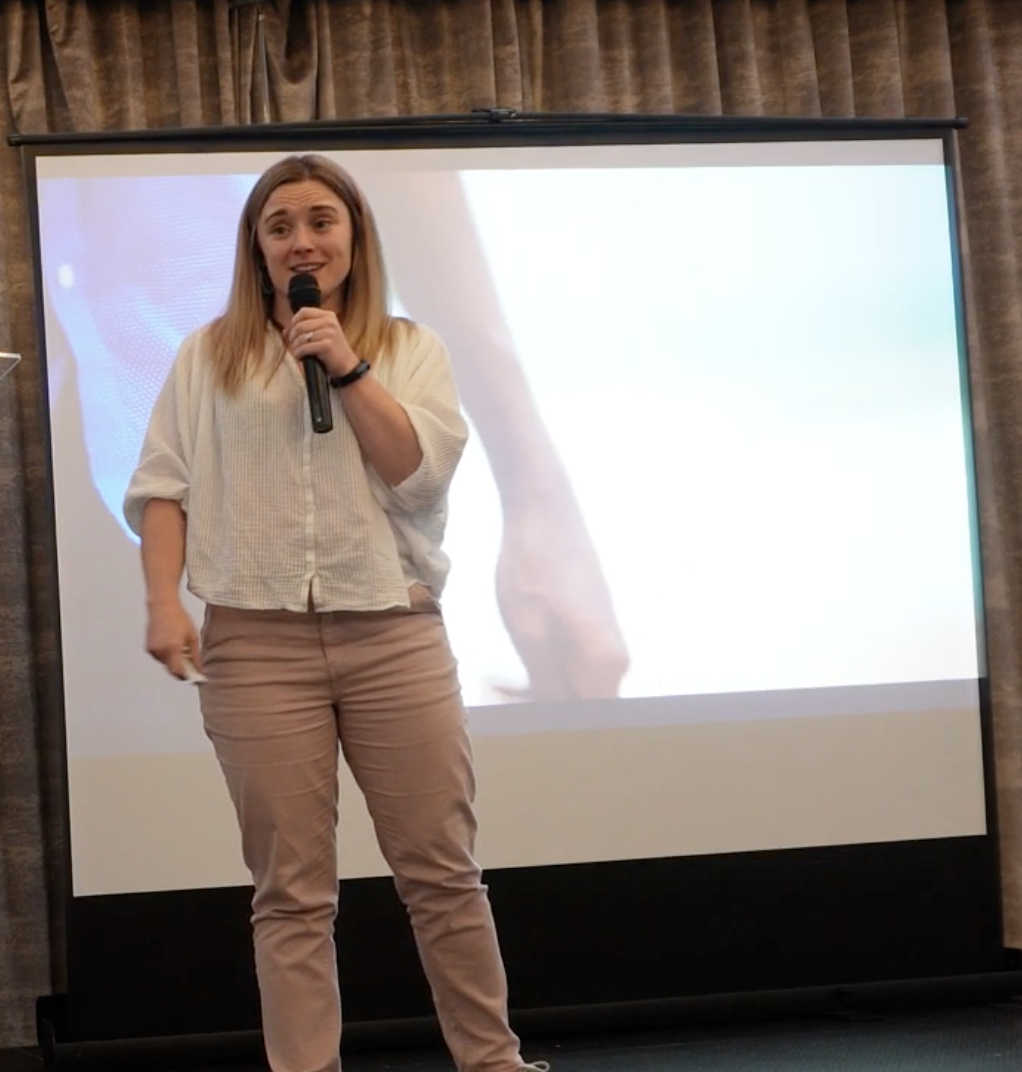
Ruth Kyle gives the first public demonstrattion of the system. Health Connect’s AI reads every linked piece of information for a person, flags what needs attention, and drafts care plans, assessments, handovers and quality analysis.
She shows how it reads across a person’s entire record and puts what needs attention in front of the right person to review.
21 October 2026: Dr Moodley speaks at the GM Innovation Expo in Manchester.
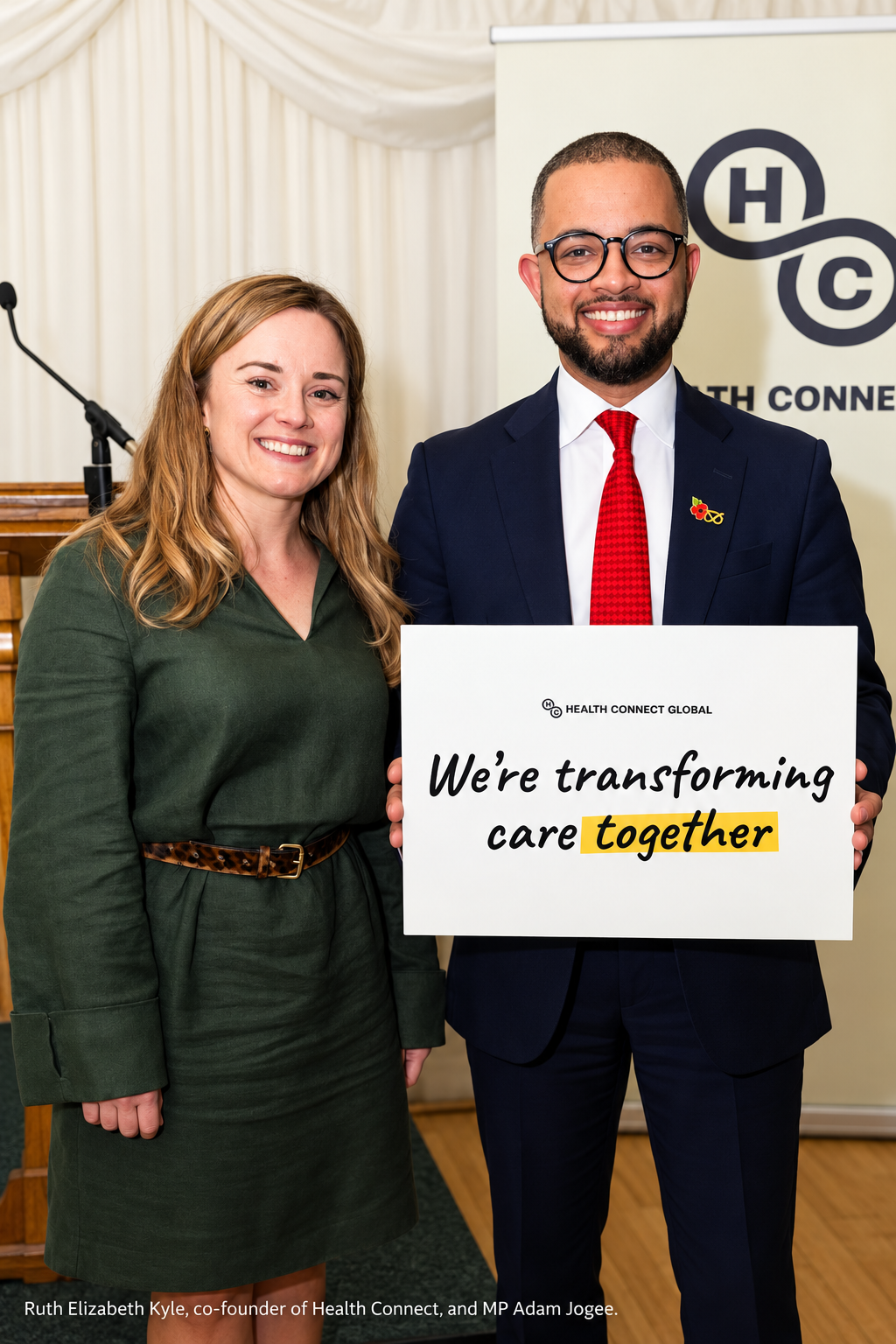
28 October 2026: Adam Jogee MP hosts the Champions of Care event at the House of Commons. The experts behind Opendoc are acknowledged for volunteering their time and expertise to help develop the collective intelligence behind where Dr Devan Moodley presents care super intelligence to leaders from across health and social care.
Speakers include Professor Martin Green, Chief Executive, Care England; Jo Barton, Skills for Care; Michelle Corrigan, Chief Executive, Digital Care Hub; Dr Jane Townson, Chief Executive, the Homecare Association; and Dr Zubir Ahmed MP.
Dr Moodley tells the audience: “It is no longer a world about AI, we are beyond that. It is now about Super Intelligence.”He argues that the people in the room have the breadth of experience and knowledge to shape the future of care and artificial intelligence, and that the sector must stop adopting technology passively and engage with its development.
Dr Moodley later clarified fhey separated their clinical tool from the sci-fi tech trope, emphasising that the system is a combination of human Care, collective Supervision, and expert Intelligence.
They changed the spelling to distance themselves from standard tech-industry jargon and to highlight that their system is a collaborative "scaffolding" for human workers, not a replacement for them.

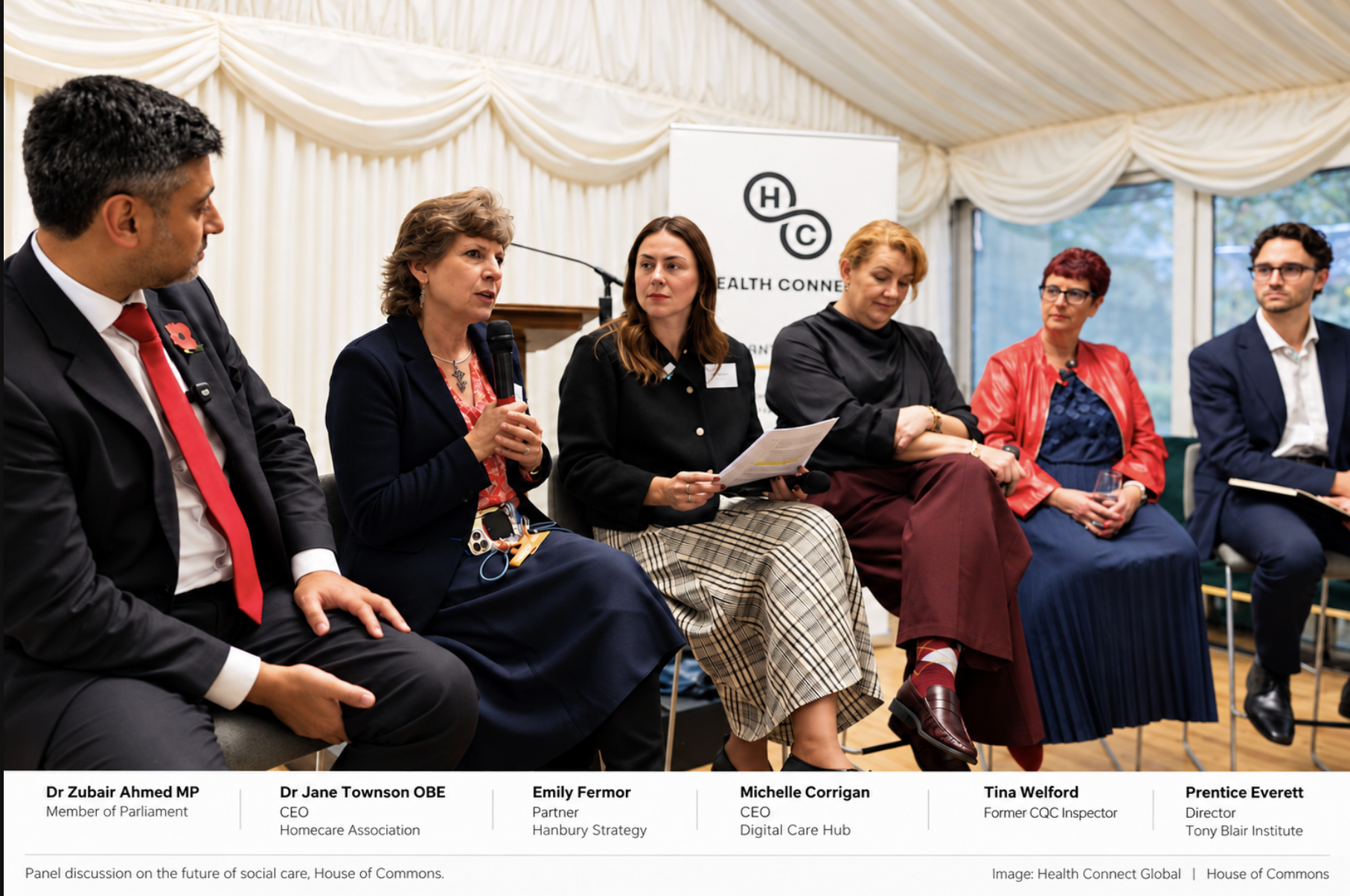
A panel on the future of social care brings together Dr Zubir Ahmed MP; Dr Jane Townson OBE, Chief Executive, the Homecare Association; Emily Fermor, Partner, Hanbury Strategy; Michelle Corrigan, Chief Executive, Digital Care Hub; Tina Welford, former CQC inspector; and Prentice Everett, Director, Tony Blair Institute.
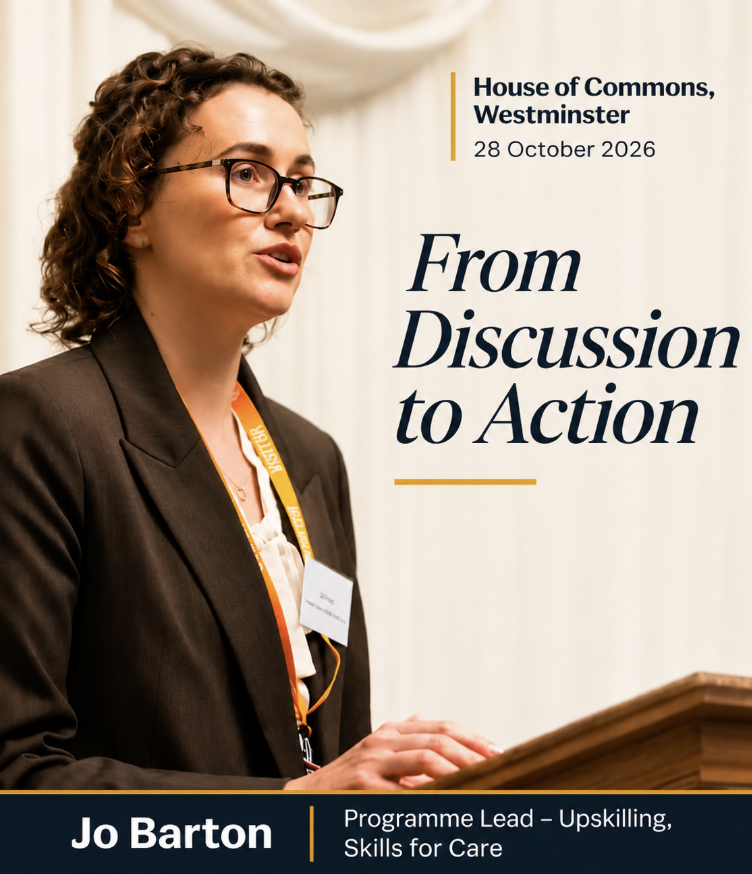
Jo Barton, Programme Lead – Upskilling at Skills for Care, speaks at the House of Commons on how the care workforce can move from discussing new technology to acting on it.
3 November 2026: the Medicines and Healthcare products Regulatory Agency (MHRA) registers Health Connect Global Ltd as a medical device manufacturer.
The software is registered as clinical decision management support software (GMDN code 61087).A system that suggests what the record might mean, for a person to review, is now on the UK register for software that supports clinical decisions.
Registration is a listing on the MHRA’s register



Trust through transparency. Patients and families stay informed with instant access to records, appointments, and care updates.
Create reports faster and review them better with AI-powered summaries.
Track, qualify referrals, and secure funding with clarity and speed.
A single source of truth giving managers confident oversight across their entire service.
Bring expert-verified policies to life, delivering the right guidance at the point of care, when teams actually need it.
